
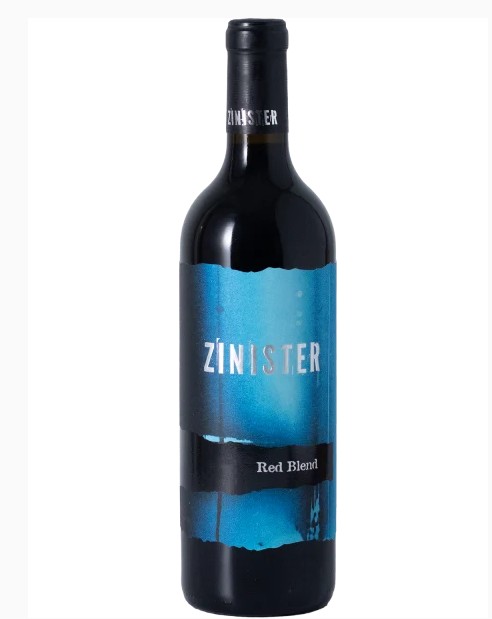
Sarah stands in the wine aisle, surrounded by hundreds of bottles with labels in different languages, price tags ranging from eight to eighty dollars, and absolutely no idea where to begin. The salesperson asks if she needs help finding anything specific. “Something red,” she says, immediately feeling foolish. This scene plays out thousands of times daily across wine shops everywhere.
Price doesn’t always tell the story
The most expensive bottle on the shelf isn’t necessarily the best choice for your palate or your dinner. Wine pricing reflects many factors beyond quality: the region’s prestige, the producer’s reputation, marketing costs, and sometimes just market positioning.
Understanding what you’re paying for matters more than the number on the price tag. Wines under fifteen dollars often represent excellent value, particularly from regions like Spain, Portugal, or parts of California that haven’t reached premium status yet. Between fifteen and thirty dollars, you’ll find wines with genuine character that won’t break your budget. Above fifty dollars, you’re usually paying for scarcity, prestige, or exceptional vineyard sites that may or may not translate to your personal enjoyment.
Wines under eight dollars face significant production constraints. Those constraints show up in the glass.
Grape varieties matter more than regions at first
Forget about memorizing French appellations or Italian classification systems. Start with grape varieties. Cabernet Sauvignon tends to be full-bodied with dark fruit flavors and noticeable tannins. Pinot Noir usually offers lighter body, red fruit notes, and softer tannins.
These characteristics hold relatively true regardless of where the grapes are grown. A Cabernet Sauvignon from Australia will have more in common with one from California than either will with a Pinot Noir from the same region. Once you identify grape varieties you enjoy, you can explore how different regions express them, but that comes later when your palate develops more sophistication.
Your taste buds decide
Wine professionals can describe a bottle’s technical merits, its adherence to regional style, or its aging potential. None of that matters if you don’t like how it tastes.
Don’t let anyone convince you that your preferences are wrong. The goal is finding wines you genuinely enjoy drinking, not impressing others with your sophistication. If you find yourself reaching for red wine deals and discounts to try different styles without the financial pressure, that’s smart shopping.
Reading labels becomes easier with practice, but focus on the basics
Wine labels contain more useful information than most beginners realize, though you need to know what to look for. Alcohol content tells you about the wine’s likely body and warmth. Wines below 12.5% alcohol tend to be lighter and more delicate. Those above 14% usually feel fuller and more powerful. This matters when you’re pairing with food or deciding what to drink on a warm evening versus a cold night.
Vintage year matters for most wines, though not always in the way people expect. Recent vintages aren’t necessarily inferior to older ones. Many red wines are designed to drink well within a few years of release. Unless you’re buying wines specifically for aging, stick to bottles from the last three to five years.
Terms like “reserve” or “estate” can indicate higher quality, but they’re not regulated in many regions. Focus on the producer’s name and learn to recognize ones that consistently make wines you enjoy. That takes time and deliberate attention to what you’re drinking.
Build your foundation systematically
The most effective way to develop your palate is systematic tasting. Buy different styles and take notes on what you like and dislike. Notice whether you prefer wines with more or less tannin, whether you enjoy oak flavors, and how fruit-forward you like your wines to be. This isn’t academic exercise. It’s practical knowledge that saves money and prevents disappointment.
Don’t rush the learning process. Wine appreciation develops over time, and your tastes will evolve. The bottle that seems too tannic today might become a favorite in six months. Start with approachable styles and gradually explore more complex wines as your palate develops confidence.
