
Introduction to Slot Systems
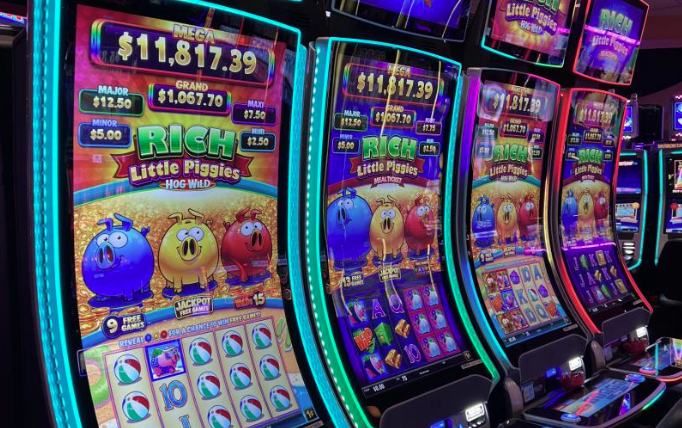
semut69 systems are everywhere. Walk into a casino, open a gaming app, or browse an online casino website, and you’ll see them dominating the landscape. Bright lights, spinning reels, catchy sounds—it all looks simple on the surface. You press a button, reels spin, and boom, you either win or lose. But under that simplicity lives a surprisingly complex system designed with mathematics, psychology, and technology working together behind the scenes.
At their core, slot systems are structured frameworks that determine how slot machines operate. They control everything from how symbols appear on reels to how often payouts occur. Without these systems, slots wouldn’t be fair, functional, or profitable. They exist to create a balanced experience where players get entertainment and potential rewards, while casinos maintain sustainable revenue.
Why do slot systems matter so much? Because understanding them changes how you approach slots entirely. Instead of relying on myths, gut feelings, or superstition, you begin to see slots for what they really are—games of chance governed by precise algorithms. This knowledge doesn’t guarantee wins, but it does empower you. It helps you manage expectations, choose games wisely, and enjoy slots for entertainment rather than frustration.
Think of slot systems like the engine of a car. You don’t see it while driving, but everything depends on it. The smoother the engine, the better the ride. In the same way, slot systems quietly dictate every spin you make. Understanding them is the first step toward becoming a smarter, more confident player.
A Brief History of Slot Machines
Slot systems didn’t appear overnight. They evolved over more than a century, adapting to technology, player behavior, and regulatory demands. The story starts in the late 19th century with simple mechanical devices that barely resemble the advanced digital slots we see today.
The earliest slot machines were entirely mechanical. The famous Liberty Bell machine, created in the 1890s, featured three spinning reels and a handful of symbols. You pulled a lever, gears turned, and the reels stopped based on physical mechanics. These machines used basic slot systems where outcomes were limited by the number of physical combinations possible. Payouts were straightforward, often dispensing coins directly.
As technology advanced, electromechanical slot machines entered the scene. These machines introduced electricity to the system, allowing for more complex features like flashing lights, sound effects, and larger payouts. While reels were still physical, internal systems became more flexible. This era laid the foundation for modern slot system logic, where outcomes were no longer constrained purely by mechanics.
The real revolution came with digital technology. Video slots replaced physical reels with virtual ones, opening the door to countless symbols, paylines, bonus rounds, and themes. Slot systems became software-driven, powered by algorithms and random number generators. This shift didn’t just change how slots looked—it fundamentally transformed how they worked.
Today’s online and mobile slots represent the pinnacle of this evolution. Slot systems now operate on secure servers, regulated by authorities, and audited for fairness. They support progressive jackpots, immersive graphics, and real-time gameplay across the globe. From humble mechanical beginnings to sophisticated digital ecosystems, slot systems have come a long way—and understanding this evolution helps explain why modern slots work the way they do.
Core Components of a Slot System
Every slot system, no matter how flashy or simple, is built on a few essential components. These elements work together seamlessly to create the spinning, winning, and losing outcomes players experience. Without them, a slot bet 200 machine simply wouldn’t function.
The most visible components are the reels and symbols. Reels are vertical columns that spin when you initiate a game. In traditional slots, these were physical reels; in modern systems, they’re virtual representations controlled by software. Symbols populate these reels and determine winning combinations. From classic fruits and numbers to elaborate themed icons, symbols are more than just visuals—they’re data points tied to payout values.
Paylines are another critical part of slot systems. A payline is a path across the reels where matching symbols must land to create a win. Early slots had a single payline, usually running straight across the middle. Modern slot systems can have hundreds or even thousands of paylines, including zigzags, diagonals, and innovative patterns. Some systems replace paylines entirely with cluster or ways-to-win mechanics, further expanding gameplay possibilities.
Then there’s the heart of the slot system: the Random Number Generator, commonly known as the RNG. This invisible component determines every outcome. It continuously generates random numbers, even when the machine isn’t being played. When you press spin, the RNG instantly selects a number that corresponds to a specific reel combination. This ensures fairness and unpredictability.
Together, reels, symbols, paylines, and RNGs form the backbone of slot systems. They blend visual excitement with mathematical precision, creating a game that feels spontaneous but operates with strict internal logic.
How Slot Machines Actually Work
To the average player, slot machines feel almost magical. You press a button, reels spin, and results appear in seconds. But behind that quick animation is a highly structured process driven by technology and mathematics.
The moment you hit spin, the slot system doesn’t wait for the reels to stop spinning visually. Instead, the RNG immediately selects a random number. This number corresponds to a predefined outcome stored in the game’s software. The spinning reels you see are essentially an animation designed to reveal that outcome in an entertaining way.
One of the most important things to understand is that slot outcomes are independent. This means each spin has no connection to the one before it. The slot system doesn’t remember past losses or wins, and it doesn’t adjust to “balance things out.” Whether you’ve lost ten times in a row or just hit a jackpot, the next spin has the same odds as any other.
This independence is what makes slot systems fair but also unforgiving. There’s no strategy that can influence outcomes, no timing trick, and no pattern to exploit. The RNG ensures complete randomness within the constraints of the game’s design, such as its payout percentage and volatility.
Understanding how slot machines actually work removes a lot of the mystery. It shifts your mindset from trying to beat the system to learning how the system operates. And once you understand that, slots become what they’re meant to be: games of chance designed for entertainment, not guaranteed profit.
FAQs
1. Are slot systems truly random, or can they be predicted over time?
Slot systems are designed to be truly random, and that randomness is enforced through Random Number Generators (RNGs). An RNG continuously produces random number sequences every second, even when no one is playing the game. The exact moment you press the spin button, the RNG locks in a number that determines the outcome. Because of this process, slot systems cannot be predicted, tracked, or manipulated by observing past results. There is no memory, no pattern recognition, and no “due” wins. Every spin is an independent event, meaning the odds remain exactly the same whether you’ve just won big or lost repeatedly. This randomness is what ensures fairness—but it also means there’s no guaranteed strategy to beat the system.
2. What is RTP, and why does it matter in slot systems?
RTP, or Return to Player, is a percentage that represents how much money a slot system is designed to return to players over a long period of time. For example, a slot with a 96% RTP theoretically returns $96 for every $100 wagered, though not in a single session or to a single player. RTP matters because it helps players compare slot systems objectively. A higher RTP generally means better long-term value, especially for players who enjoy longer sessions. However, RTP does not guarantee short-term wins, and it works alongside volatility, which determines how often and how much a slot pays out.
3. What is the difference between low and high volatility slot systems?
Volatility (or variance) describes how a slot system distributes wins. Low-volatility slots pay smaller amounts more frequently, making them ideal for casual players who want steady gameplay and longer sessions. High-volatility slots, on the other hand, pay less often but offer much larger wins when they do hit. These systems appeal to players chasing jackpots or big payouts but require a stronger bankroll and patience. Neither type is better universally—it depends entirely on your playing style, budget, and risk tolerance. Understanding volatility helps players choose slot systems that match their expectations.
4. Do online slot systems differ from physical casino slot systems?
Yes, while the core principles remain the same, online and physical slot systems differ in execution. Physical slot machines rely on internal hardware RNGs, while online slots use server-based RNGs managed by software providers. Online slot systems often offer higher RTPs, more features, and greater game variety because they aren’t limited by physical space or hardware constraints. Additionally, online slots are audited by independent testing agencies to ensure fairness and compliance. Both systems are regulated, but online slots provide greater transparency through published RTPs and accessible game information.
5. Can casinos manipulate slot systems to control who wins and loses?
Licensed and regulated casinos cannot manipulate slot systems to target individual players. Slot outcomes are controlled entirely by certified RNGs, and altering them would violate gaming regulations and result in severe penalties. Casinos make money through statistical advantages like house edge and RTP—not by controlling individual outcomes. While it may feel like the casino “knows” when you’re about to win or lose, that perception is psychological rather than factual. Fair slot systems rely on probability, not personal data, ensuring that every player faces the same mathematical odds.
