
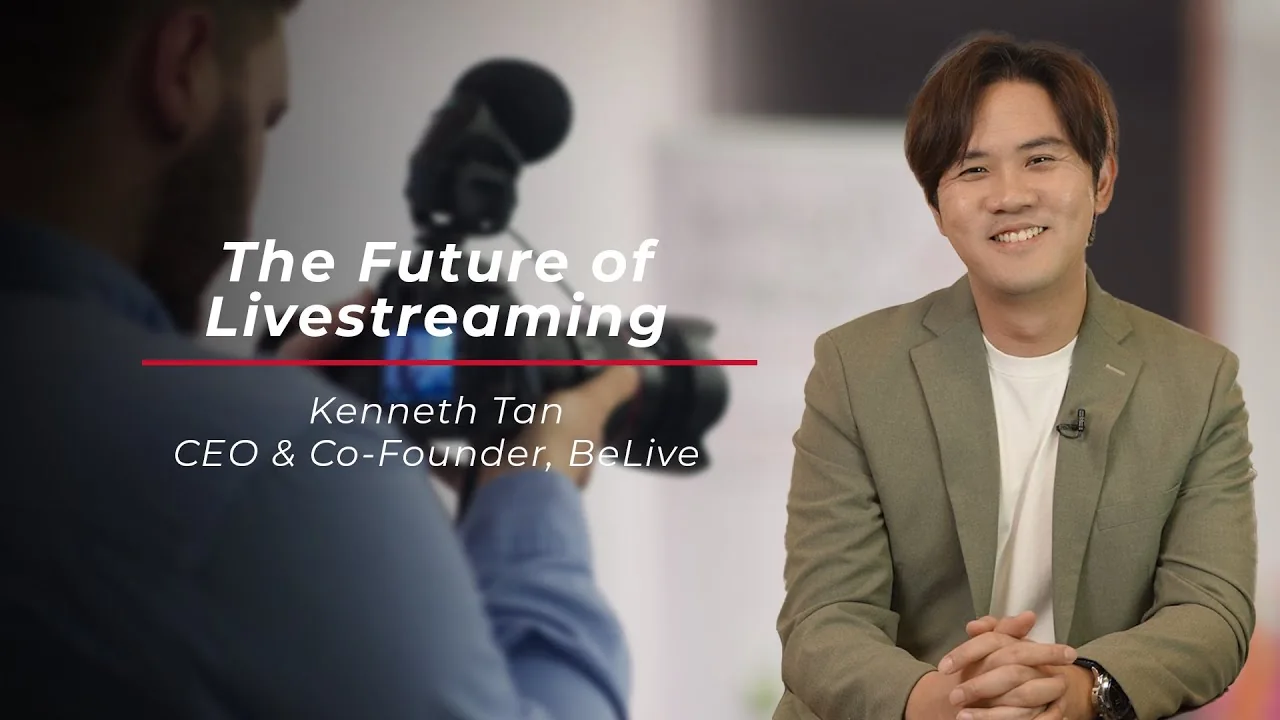
As years go by, live streaming has come a dusty way, from a mere online interaction to a global phenomenon. It has spread to gaming, social networking, and even business meetings and schooling, and the culture of live streaming is changing the way people interact, perceive content, and form their communities. It is going to be a very interesting time in digital marketing for the future of live streaming if it continues to be technology-driven and audience-driven. Because it promises even more innovation, engagement, and opportunities to win over larger audiences.
Real-Time Connection Took Off
Among the primary reasons that have led to the rapid growth of live streaming is its capacity to establish real-time, authentic interactions. The streaming event gives the opportunity to enjoy all things that cannot be offered by the video-on-demand would live, including spontaneity, direct communication, and instant audience feedback. Such interaction in the live session assists in creating and building the relationship of trust and loyalty, therefore, making live streaming a highly efficient marketing method.
Demand towards authenticity is going to increase in the coming years. The audience is quenching the unfiltered, back-of-the-stage and filtered-out experiences provided by the producers and marketers. The live stream not only meets the demand but also assists the content creators in a broader reach and long-lasting influence, enabling them are achieve massive visibility.
Advanced Technology Shaping Live Streaming
It is expected that the culture of live streaming is going to be altered by technological advances such as artificial intelligence (AI), augmented reality (AR), and virtual reality (VR). The AI-driven tools would enable the streamers to examine the behaviour of the audience, make the content more appealing to the current trends, and customise the experience to the audience simultaneously.
The viewers will not only see but also feel themselves as part of the live event, thanks to AR and VR, which will fritter away the audience’s passive role. As a result, the creators and businesses are going to be able to pull in a flock of customers. By just being visible due to their very attractive and interactive ways of capturing attention on all kinds of platforms.
Social Media and Multi-Platform Streaming
Live streaming is dominated by social media platforms such as YouTube Live, Twitch, TikTok Live, Instagram Live and Facebook Live. Multi-platform streaming will be the new norm in the future. The streamers will broadcast on various channels at the same time to reach more audiences as opposed to the use of a single platform.
Besides that, companies are putting major investments into live commerce, which is the section where live streaming products are being exhibited and sold at the same time. This is particularly evident in e-commerce and is poised to keep increasing, and this will lead to brands achieving. The desired consumer relationship, boosted revenues, and a massive Internet presence.
Monetization and Creator Economy Growth
The future of streaming services will be determined mainly by the creator economy in terms of cultural factors. The leading revenue streams are currently subscription models, virtual gifts, brand sponsorships, affiliate marketing, and exclusive live content. As the platforms improve their monetization strategies, a large number of creators will embrace live streaming as their primary occupation.
Moreover, companies are pouring money into live commerce as it is the sector where products are shown by live streaming and sold at the same time. This development is particularly evident in online retail and is likely to keep expanding, resulting in a strong brand-consumer relationship, higher sales, and an enormous online presence.
Live Streaming Beyond Entertainment
Live streaming is no longer confined to the entertainment and gaming sectors. Its use has expanded to education, fitness, healthcare, corporate events, and even virtual conferences, with live streaming becoming an integral part of their conduct. Online workshops, webinars, and live Q&A sessions are such interactive learning experiences that they are perceived as more personal and effective.
In the distant future, the use of live streaming universally as a means of communication would further entrench it in daily digital culture through its strong imprint.
Conclusion
The live streaming culture will be dominated by factors such as authenticity, immediacy, and enhanced community ties. The viewers will keep on appreciating the truth and the unpreparedness of the show; thus, live streaming will be a big part of the trust-building process for artists and brands. As the technology improves, the engagement becomes more authentic, and the demand for real-time interaction increases. Live streaming is acknowledged as a crucial element of digital communication and content strategy.
