
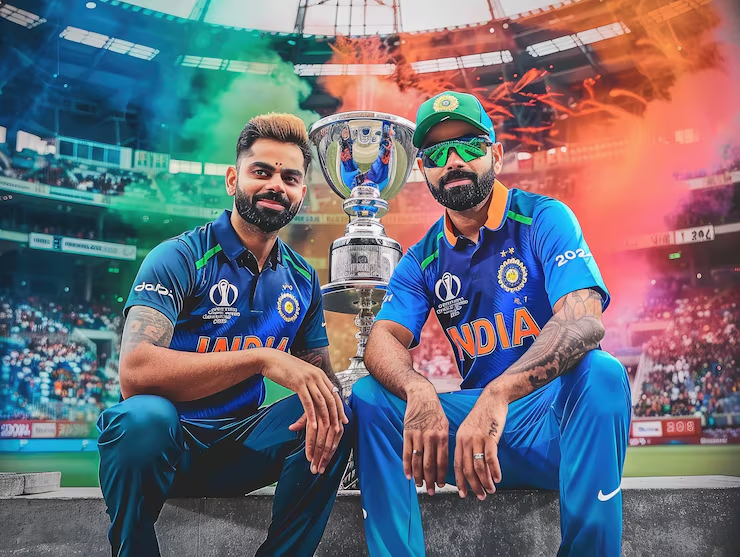
Cricket has evolved into a global commercial powerhouse, with major leagues attracting massive audiences, sponsorships, and media rights deals. The financial ecosystem surrounding these tournaments extends beyond the pitch, encompassing ticket sales, broadcasting, merchandising, and digital engagement. Understanding the economics of these leagues provides insight into how cricket has become a highly lucrative sport.
Similarly, cricket leagues leverage technology, marketing, and sponsorships to maximize financial returns while enhancing the fan experience. The growing interconnection between digital platforms and traditional sports business models has transformed cricket into a multi-billion-dollar industry.
Revenue Streams in Cricket Leagues
Major cricket leagues generate income through multiple avenues. Each league adapts its revenue model based on regional market characteristics, fan behavior, and broadcasting reach. Interactive platforms, such as Fireball Kasyno, illustrate how digital engagement and strategic monetization can boost revenue streams, similarly to how leagues leverage technology, sponsorships, and audience interaction to maximize financial returns.
Key revenue sources include broadcasting rights, sponsorship and partnerships, ticket sales, merchandising, and digital content. Understanding these diverse revenue channels helps explain why cricket leagues have become multi-billion-dollar enterprises and how teams strategically allocate resources to capitalize on every opportunity.
-
Broadcasting Rights: Television and streaming contracts are often the largest revenue source, with networks paying premium fees for exclusive coverage.
-
Sponsorship and Partnerships: Corporate brands invest in title sponsorships, team sponsorships, and in-stadium advertising to reach global audiences.
-
Ticket Sales: Matchday attendance remains a key revenue stream, particularly for high-profile tournaments and playoff matches.
-
Merchandising: Official team apparel, memorabilia, and licensed products provide consistent income while boosting brand engagement.
-
Digital Platforms and Interactive Content: Leagues use mobile apps, fantasy leagues, and social media campaigns to monetize engagement and drive subscriptions.
Comparison of Major Leagues
Each cricket league has unique financial characteristics and global impact. The table below provides a snapshot of some of the most prominent leagues:
|
League |
Country |
Annual Revenue (Approx.) |
Key Revenue Source |
|
Indian Premier League (IPL) |
India |
$700 million |
Broadcasting and sponsorship |
|
Big Bash League (BBL) |
Australia |
$100 million |
Broadcasting and ticket sales |
|
Caribbean Premier League (CPL) |
West Indies |
$30 million |
Sponsorship and digital content |
|
Pakistan Super League (PSL) |
Pakistan |
$20 million |
Sponsorship and merchandising |
|
The Hundred |
England |
$50 million |
Broadcasting and ticketing |
Economic Impact on Teams and Players
The influx of revenue from major leagues has transformed player earnings and team operations. This financial growth affects salaries, team investments, and the overall competitiveness of the sport.
Player Salaries
Top players can command multimillion-dollar contracts, with earnings depending on skill level, popularity, and market demand. Salaries reflect both performance incentives and franchise marketing value.
Team Investments
Franchises allocate funds for scouting, coaching, sports science, and stadium facilities. Strategic investments enhance competitive advantage and help teams maintain long-term success.
Revenue Sharing
Leagues often implement revenue-sharing models to distribute profits across franchises. This approach ensures financial stability and equitable growth, even for less prominent teams.
Performance and Marketability
Financial incentives encourage excellence on the field and promote players’ brand value. High-performing athletes can leverage league exposure to attract endorsements, sponsorships, and international recognition.
Challenges and Opportunities
While cricket leagues generate substantial income, they also face challenges. Balancing costs, managing player workloads, and navigating international scheduling conflicts are ongoing concerns. Conversely, opportunities lie in digital expansion, international fan engagement, and integrating emerging technologies into the viewing experience.
-
Cost Management: Franchises must balance player salaries, logistics, and operational expenses.
-
Global Expansion: Leagues explore new markets to increase fanbase and broadcasting rights value.
-
Technology Integration: Virtual reality, interactive apps, and live analytics enhance fan engagement and monetization.
Conclusion
The economics of major cricket leagues reflects a complex ecosystem of broadcasting, sponsorship, ticketing, and digital engagement. Successful leagues combine strategic investments, innovative fan experiences, and global outreach to maximize revenue. Understanding these financial dynamics highlights how cricket has grown beyond a sport into a major entertainment industry, influencing players, teams, and global audiences alike.
