
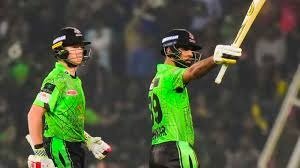
Cricket is a game of split-second decisions. The ability to react quickly can mean the difference between taking a wicket and conceding runs, or between making a spectacular catch and missing an opportunity. Reflexes and reaction speed are particularly critical for batsmen facing fast bowlers, wicketkeepers anticipating edges, and fielders responding to sharply hit balls. Developing these skills requires a combination of physical conditioning, mental focus, and specialized training exercises. Modern cricket players also use technology and interactive tools to measure and enhance reaction times, showing how scientific approaches complement traditional coaching methods.
Digital platforms are increasingly part of this process. Interactive games and simulation tools, such as those offered by Lemoncasino, provide precise feedback, timing challenges, and engaging practice scenarios, helping players train both reflexes and decision-making speed in a controlled yet dynamic environment.
Understanding Reflexes in Cricket
Reflexes in cricket are the automatic responses to unexpected stimuli, such as a fast delivery, deflected ball, or sudden change in trajectory. They involve a combination of neurological and muscular coordination, allowing players to react before consciously deciding on an action. High-level cricket relies on both simple reflexes, like catching a sharply hit ball, and complex reflexes, like adjusting footwork and bat angle simultaneously in response to the bowler’s variation. Players must also maintain mental alertness and anticipate possible outcomes, blending instinct with experience.
Techniques to Improve Reaction Speed
Training reaction speed involves exercises that challenge perception, decision-making, and physical execution simultaneously. These drills stimulate the nervous system, improving the brain-to-muscle response and enhancing hand-eye coordination.
Some common methods include:
-
Using reaction balls that bounce unpredictably to train quick responses.
-
Light boards or signal apps that require players to respond to visual cues immediately.
-
Simulated match scenarios with fast deliveries to replicate game pressure.
Hand-eye coordination and footwork are equally important. Players practice catching small balls, tracking moving objects, and performing agility drills to ensure they can move and react simultaneously. Mental rehearsal and visualization techniques are also used, allowing players to anticipate scenarios and react instinctively.
Key Reflex and Reaction Training Exercises
Developing reflexes and reaction speed requires consistent practice with exercises that challenge both the body and mind. These drills focus on improving hand-eye coordination, footwork, and cognitive responses, simulating the split-second decisions required in real match situations. By combining physical and mental training, players can sharpen their instinctive reactions, anticipate the ball’s trajectory, and respond effectively under pressure. The following table highlights some of the most effective exercises used by professional cricket players to enhance their reflexes and overall reaction time.
|
Exercise |
Target Skill |
Notes |
|
Reaction Ball Drills |
Hand-eye coordination |
Improves catching and quick responses to unpredictable bounces |
|
Agility Ladder Drills |
Footwork |
Enhances speed, balance, and ability to adjust positioning quickly |
|
Visual Cue Apps |
Cognitive reaction speed |
Trains anticipation and split-second decision-making |
|
Multi-ball Catching |
Reflex and timing |
Combines movement and hand coordination in dynamic conditions |
Integrating Technology in Reflex Training
Modern cricket training increasingly integrates digital tools to measure and enhance reaction speed. High-speed cameras, motion sensors, and virtual simulations allow precise tracking of response times, while gamified exercises make training engaging and measurable. Combining physical drills with cognitive tests ensures that players develop reflexes applicable in real match conditions.
High-Speed Cameras
These devices record movements in detail, allowing coaches to analyze reaction times and body mechanics. Bowlers and batsmen can identify areas for improvement and track progress over time.
Motion Sensors
Wearable sensors provide data on limb movement, speed, and acceleration, helping players refine their technique and reduce reaction delays.
Virtual Reality Simulations
VR systems create realistic match scenarios, enabling players to practice reflexes against simulated bowlers or fielding situations without risk of injury.
Gamified Reaction Apps
Interactive apps challenge players to respond quickly to visual and auditory cues, improving decision-making speed and enhancing cognitive processing under pressure.
Practical Training Methods
Consistent practice is key to maintaining high-level reflexes. Players alternate between individual skill exercises, simulated match scenarios, and cognitive drills. This combination ensures that the nervous system remains highly responsive, both in predictable patterns and unexpected events. Cross-training in other sports, such as table tennis or squash, also helps develop rapid reflexes and hand-eye coordination.
Monitoring Progress
Measuring improvements in reflexes requires careful observation and data collection. Timing tests, reaction speed apps, and performance metrics from fielding and batting sessions allow players and coaches to track progress over time. Incremental improvements can significantly influence match performance, particularly under high-speed game conditions.
Conclusion
Reflexes and reaction speed are central to success in cricket. Players develop these skills through a combination of physical conditioning, hand-eye coordination drills, cognitive exercises, and modern technology. By systematically enhancing reflexes, professional cricketers gain the ability to respond faster, make smarter decisions, and maintain high performance under pressure. Understanding and training these abilities allows players to excel in one of the sport’s most demanding aspects.
