
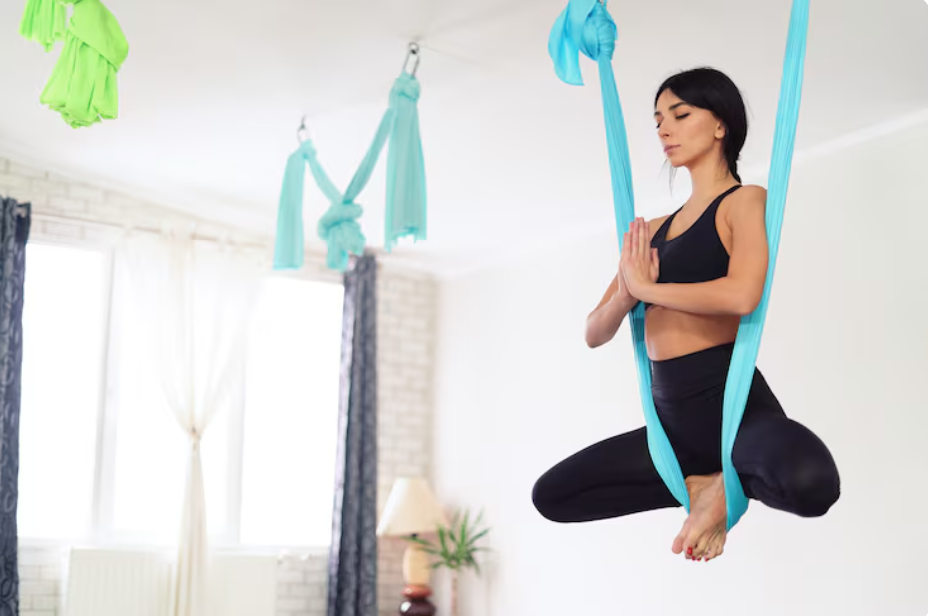
Aerial training has grown far beyond its traditional circus roots and has become a recognized discipline within fitness, performance arts, and professional athletics. Aerial straps, in particular, are widely used in aerial gymnastics, acrobatics, and strength-based aerial practices. As training methods evolve, so does the equipment. One of the most important developments in modern aerial gear is the use of velvet-covered aerial straps, designed to improve grip, comfort, and overall training safety.
Unlike traditional synthetic or bare webbing straps, velvet-covered aerial straps are engineered to provide a more controlled, skin-friendly, and reliable experience. They are increasingly chosen by both professional performers and dedicated practitioners who train regularly and require equipment that supports long sessions and complex movements.
The Role of Aerial Straps in Modern Aerial Practice
Aerial straps are a strength-focused apparatus that requires precision, control, and trust in the equipment. Athletes rely heavily on their grip and body alignment while performing static holds, dynamic transitions, rolls, drops, and inversions. Because the hands and wrists are constantly under load, the quality of the straps directly affects performance and safety.
Modern aerial training environments, including studios, gyms, and home setups, demand equipment that can withstand repeated use while remaining comfortable and predictable. This is where velvet-covered aerial straps offer a significant advantage over traditional options.
Why Velvet Covering Makes a Difference
The velvet covering on aerial straps is not a decorative element. It serves a functional purpose that enhances both performance and comfort.
Improved Grip Control
Velvet provides a soft yet secure surface that improves grip consistency without being overly abrasive. This is especially important for:
- Extended hanging positions
- Single-arm holds
- Dynamic transitions
- Controlled descents and stops
Unlike slippery materials, velvet-covered straps allow athletes to rely less on excessive grip strength and more on proper technique.
Skin-Friendly Surface
Aerial training often involves contact with arms, wrists, and sometimes legs or torso. Velvet reduces friction and helps prevent skin irritation, abrasions, and discomfort during long or repetitive training sessions.
Comfort and Endurance During Training
Comfort is a critical factor in aerial training, particularly for athletes who train multiple times per week. Discomfort caused by rough materials can limit session duration and slow progress.
Velvet-covered aerial straps help:
- Reduce pressure points on hands and wrists
- Minimize skin irritation
- Support longer training sessions
- Improve overall training experience
When athletes feel comfortable, they can focus on strength development, technique refinement, and controlled movement rather than managing pain or discomfort.
Safety and Equipment Reliability
Safety is non-negotiable in aerial disciplines. Equipment must perform consistently under load and provide predictable feedback to the athlete.
High-quality velvet-covered aerial straps are designed with:
- Strong internal webbing for load-bearing strength
- Secure stitching and reinforced ends
- Durable velvet covering that maintains structure
- Compatibility with professional rigging hardware
The velvet layer does not compromise strength; instead, it enhances usability while preserving structural integrity.
Grip Confidence and Performance Progression
Grip confidence plays a major role in aerial progression. When athletes trust their grip, they are more willing to attempt new skills, transitions, and sequences.
Velvet-covered straps provide a consistent tactile response, allowing athletes to better judge hand placement and pressure. This consistency supports:
- Improved body awareness
- Cleaner technique
- Reduced grip fatigue
- More controlled execution
Over time, this leads to measurable improvements in strength, endurance, and technical precision.
Versatility Across Training Levels
Velvet-covered aerial straps are suitable for a wide range of practitioners:
- Beginners learning foundational holds
- Intermediate athletes building strength
- Advanced performers refining technique
- Professional aerialists preparing routines
The balanced grip and comfort make them an excellent choice for long-term use, regardless of experience level.
Indoor and Studio Training Applications
In studio environments, where equipment is used frequently and by multiple athletes, durability and comfort are especially important.
Velvet-covered aerial straps perform well in:
- Aerial studios
- Fitness gyms with aerial programs
- Training academies
- Private practice spaces
The velvet surface maintains its properties over time when properly cared for, making it suitable for regular professional use.
Maintenance and Care Considerations
Proper care extends the lifespan of any aerial equipment. Velvet-covered straps should be stored in a clean, dry environment and inspected regularly.
Routine checks help ensure:
- Velvet covering remains intact
- Stitching shows no signs of wear
- Internal webbing stays secure
With correct handling and storage, velvet-covered aerial straps remain reliable and safe over extended periods of use.
Choosing the Right Aerial Straps
When selecting aerial straps, athletes should consider:
- Grip preference and training style
- Comfort during extended sessions
- Compatibility with existing rigging
- Overall build quality
Velvet-covered options are often chosen by athletes who prioritize comfort, control, and consistent performance feedback.
An example of professionally designed velvet-covered aerial straps can be found here: Velvet-Covered Aerial Straps
Conclusion
Velvet-covered aerial straps represent a thoughtful evolution in aerial training equipment. By combining strength, comfort, and controlled grip, they support safer training, longer sessions, and more confident progression.
For aerial athletes who value precision, endurance, and reliable equipment, velvet-covered aerial straps are a practical and performance-oriented choice. Investing in quality aerial gear not only enhances training efficiency but also contributes to long-term safety and development.
