
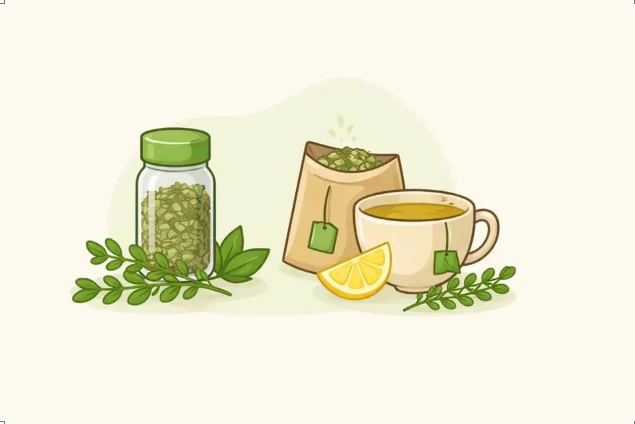
Culinary Thyme vs Thyme for Herbal Tea is a common question because the same herb often appears in two different contexts. One jar sits in the kitchen spice area. Another shows up in tea blends, loose herb packs, or supplement formats. That makes many beginners wonder whether they are looking at the same plant, two different grades, or two completely different products. This guide clears that up and helps you choose the thyme format that fits your goal, taste, and daily routine.
The short answer is this: culinary thyme and thyme used for herbal tea are often the same or closely related thyme herb, but the intended use, cut size, freshness expectations, and product presentation can differ. In practice, the best choice depends less on the species name alone and more on how you plan to use it.
Are culinary thyme and thyme for herbal tea the same herb?
Often, yes. In many cases, culinary thyme and thyme used for herbal tea come from the same general herb family and may even be the same species, especially common thyme. The difference is usually not that one is a kitchen herb and the other is a separate tea-only plant. The difference is more often about format, cut, labeling, and buyer expectations.
For cooking, thyme is usually sold as a spice or dried culinary herb. For tea, thyme may be sold as loose leaf herb, cut-and-sifted herb, tea bags, or part of an herbal blend. The plant can be similar, but the way it is processed and marketed changes the user experience.
That is why a person comparing Culinary Thyme vs Thyme for Herbal Tea is really asking two things at once. First, is it the same herb? Second, is the cooking version suitable for steeping? In many cases, yes, but quality, texture, and intended use still matter.
What usually makes culinary thyme feel different from tea thyme?
The difference usually comes from presentation rather than identity. Culinary thyme is selected and packaged for seasoning food. Tea thyme is packaged for steeping. That affects texture, aroma, and convenience.
Key practical differences
Culinary thyme often has a finer texture, a spice-jar presentation, and a kitchen-first identity. Thyme for tea is more likely to be sold loose in a pouch, in tea bags, or as a cut herb designed to infuse well in hot water.
The same herb can also feel different because of how people use it. In cooking, thyme is a supporting flavor. In tea, thyme becomes the central ingredient. That makes aroma, leaf size, and steeping behavior more noticeable.
|
Factor |
Culinary Thyme |
Thyme for Herbal Tea |
|
Main purpose |
Seasoning food |
Steeping in hot water |
|
Typical packaging |
Spice jar or seasoning container |
Pouch, loose herb bag, or tea bag |
|
Leaf cut |
Often finer or more compact |
Often loose or cut for infusion |
|
User expectation |
Flavor in recipes |
Herbal tea experience |
|
Common buying mindset |
Cooking ingredient |
Tea or wellness routine |
Can you make herbal tea from culinary thyme?
In many cases, yes. If the culinary thyme is plain thyme with no added ingredients, many people do use it for steeping. But that does not mean every culinary thyme product gives the same experience as thyme sold specifically for tea.
The biggest difference is usually convenience and sensory quality. A cooking thyme may be more broken, dustier, or more flavor-focused for recipes than for a pleasant cup of herbal tea. A tea-specific thyme product may look cleaner, infuse more evenly, or feel more intentional for drinking.
So the answer is not simply yes or no. It is more accurate to say this: culinary thyme can often work for tea, but a thyme product sold for tea may feel better suited to that use.
When is culinary thyme a reasonable choice for tea?
Culinary thyme can be a reasonable choice when you already have it at home, want a simple herbal infusion, and prefer not to buy a second thyme product. For beginners, this is often the easiest starting point. It removes the pressure of finding a separate tea format right away.
Good situations for using culinary thyme as tea
-
you already keep plain thyme in your kitchen
-
you want a basic, no-fuss herbal infusion
-
you are testing whether you even like thyme as tea
-
you prefer multi-use ingredients at home
-
you do not mind a more rustic brewing experience
This option makes the most sense for practical people. One product serves more than one role. That can be useful in small kitchens, simple routines, or households that already cook with herbs often.
When is thyme sold for herbal tea the better fit?
Tea-specific thyme is often the better fit when the goal is a more enjoyable steeping experience. If you care about leaf quality, aroma, cup clarity, and ease of brewing, a tea-oriented format usually feels more aligned with that purpose.
Best-fit situations for tea thyme
-
you want thyme mainly for herbal infusions
-
you prefer loose herbs or ready tea bags
-
you want a cleaner brewing format
-
you enjoy herbal tea as a daily ritual
-
you want to blend thyme with mint, lemon peel, or ginger
This matters because use shapes satisfaction. If you buy thyme mainly for tea, a tea format often feels more natural from day one. You do not need to treat a kitchen spice like a backup tea ingredient.
Does species matter when comparing culinary thyme and tea thyme?
Sometimes, but not always in the way beginners expect. The word thyme can refer to common thyme and to related thyme varieties. Different thyme types may vary in aroma, flavor profile, and intensity. That can affect both cooking and steeping.
Still, most beginner confusion is not caused by species. It is caused by product labeling. A jar that says thyme leaves and a pouch that says thyme tea herb may look like different plants, even when they are very similar in origin.
For a beginner, the more useful question is not only which species it is. The better question is this: what is this product prepared for? Cooking, steeping, blending, or capsules? That usually tells you more about the buying decision.
How does taste change the choice?
Taste changes everything. In food, thyme usually works in the background. In tea, thyme sits front and center. That means people who enjoy thyme in roasted vegetables or soups may still be surprised by how direct it tastes in a cup.
This is why Culinary Thyme vs Thyme for Herbal Tea is also a taste question. Some people enjoy a savory, aromatic herb tea. Others prefer thyme only in meals, not in drinks. The same herb can feel very different when the format changes.
|
Choice factor |
Culinary thyme |
Tea thyme |
Thyme capsules |
|
Taste exposure |
Medium in food, high in tea |
High |
Low |
|
Preparation effort |
Low for cooking, moderate for tea |
Moderate |
Low |
|
Routine convenience |
Moderate |
Moderate |
High |
|
Traditional herb experience |
Moderate |
High |
Low |
|
Portability |
Low |
Low to moderate |
High |
Where do thyme capsules fit into this comparison?
Capsules fit into the comparison as a format choice for people who want thyme without brewing or strong taste. They do not replace the culinary experience, and they do not recreate the tea ritual. They solve a different problem: convenience.
This makes capsules relevant for people who are interested in thyme but do not want to keep loose herbs, brew tea, or drink a strong herbal cup. In that sense, capsules often enter the conversation after a person realizes that tea and kitchen formats are not ideal for daily routine.
Why some people move from thyme tea to capsules
Some people like the idea of thyme tea more than the reality of preparing it. Brewing takes time. Cleanup adds friction. Strong taste can become repetitive. Capsules remove those issues and fit more easily into a supplement routine.
That does not make capsules better in every case. It simply means they are often easier for people who want a no-brew option.
How should beginners choose the right thyme format?
The right choice depends on your use case. Start with the question behind the purchase. Are you cooking? Brewing? Exploring herbal routines? Looking for a quick supplement format? Once that is clear, the right thyme format becomes easier to spot.
Quick checklist before you buy
-
Do you want thyme mainly for recipes or for drinking?
-
Do you enjoy strong herbal taste in a cup?
-
Do you want a loose herb or a more convenient format?
-
Will you use thyme at home only or also while traveling?
-
Do you already have culinary thyme and want to test tea first?
-
Would capsules fit your routine better than loose herb?
If your goal is kitchen versatility, culinary thyme may be enough. If your goal is herbal tea, a tea format usually makes more sense. If your goal is simplicity and low effort, Thyme capsules may be the better fit.
Is one format more natural than another?
Many people see loose thyme as more natural because they can see and smell the herb directly. That is understandable. Loose herb feels closer to the plant and to traditional preparation.
At the same time, a capsule is not automatically less valid. It is simply a different delivery format. For some people, the most natural choice is the one that fits daily life without friction. Routine matters. A product that sits unused in the kitchen is not more useful just because it looks more traditional.
What is the most practical takeaway from Culinary Thyme vs Thyme for Herbal Tea?
The most practical takeaway is that the herb may be similar, but the product role is different. Culinary thyme is built around cooking. Tea thyme is built around infusion. Capsules are built around convenience. Once you see the decision as a format question, the confusion usually disappears.
That is also why this topic works well for real users. People are not only asking whether the thyme is technically the same. They are deciding which version fits how they want to use it.
FAQ
Is culinary thyme the same as thyme used for herbal tea?
Often yes. The herb can be the same or very similar, but the packaging, cut, and intended use may differ.
Can I use cooking thyme to make tea?
In many cases, yes. Plain culinary thyme can often be steeped, though a tea-specific format may feel better suited for drinking.
Why does thyme tea taste stronger than thyme in food?
Because thyme becomes the main flavor in tea, while in cooking it usually supports other ingredients.
Is thyme for tea different from thyme capsules?
Yes. Tea thyme is meant for brewing, while capsules are a no-brew format designed for convenience.
Who should choose thyme capsules?
People who want a faster routine, less taste exposure, and no brewing often prefer capsules.
Who should choose loose thyme?
People who enjoy herbal tea, want flexibility, or like multi-use herbs at home often prefer loose thyme.
Does tea thyme always mean higher quality?
Not always. It usually means the product is positioned for steeping, not necessarily that it is universally better.
Glossary
Culinary thyme
Thyme sold mainly for cooking and seasoning recipes.
Herbal tea thyme
Thyme sold for steeping as an infusion, often as loose herb or tea bags.
Common thyme
A widely used thyme type often found in cooking and herbal products.
Loose herb
Dried plant material sold unpacked in capsule-free form for brewing or blending.
Infusion
A preparation made by steeping herbs in hot water.
Cut and sifted
An herb processing style where plant material is cut into smaller pieces for easier use.
No-brew format
A format such as capsules that does not require tea preparation.
Herbal blend
A mix of two or more herbs prepared for tea or other uses.
Format choice
The decision between loose herb, tea bags, capsules, tinctures, or other delivery forms.
Conclusion
Culinary thyme and thyme for herbal tea are often closely related, but the best format depends on how you plan to use the herb. Choose cooking thyme for kitchen versatility, tea thyme for infusion, and capsules when convenience matters most.
Used Sources
General reference on thyme as a culinary and aromatic herb, Encyclopaedia Britannica — britannica.com/topic/thyme
Botanical overview and plant reference for thyme, Missouri Botanical Garden Plant Finder — missouribotanicalgarden.org
General consumer information on herbs and dietary supplement formats, National Center for Complementary and Integrative Health — nccih.nih.gov
General framework for dietary supplement labeling and consumer safety, U.S. Food and Drug Administration — fda.gov/food/dietary-supplements